
AI Data Leakage Prevention: A 2026 Guide for Workflows

Sep 30, 202617 min read
In 2024, corporate data transfers to AI platforms reached 9,326 terabytes, marking a period where a single misconfigured automation, such as a workflow built with Activepieces that lacks proper oversight, could turn internal intellectual property into public training data.
AI data leakage prevention refers to the technical enforcement of security protocols within automated workflows to prevent the unauthorized transmission of sensitive intellectual property to external large language models.
Security teams now face a support environment where sending a customer’s raw database export to a third-party LLM for summarization creates a permanent, unretractable compliance liability.
This silent AI data leakage occurs when insecure automated workflows feed sensitive corporate information into Large Language Models.
The distinction between prompt injection and data exfiltration
While prompt injection involves a malicious user tricking a model into ignoring its instructions, data exfiltration in this context is the passive, often accidental transfer of proprietary information to an external provider.
In 2024, corporate data transferred to AI platforms totaled 9,326 terabytes. This volume means security teams were already managing a massive volume of outbound sensitive strings.
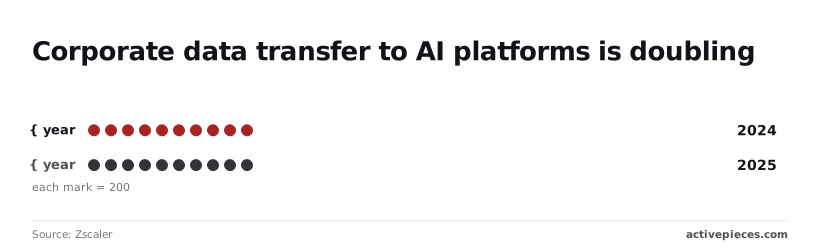
Mordorintelligence projects this volume to reach 18,000 terabytes in 2025, a 93% increase that signals a near-doubling of the attack surface for potential leaks.
This rapid escalation proves that relying on manual oversight isn't a viable strategy for preventing sensitive data from leaving the network.
The fastest way to settle a shortlist is to try one. Activepieces is free to try, no credit card.
Why 2026 ends opt-out privacy models
By 2026, the sheer volume of automated interactions will make "opt-out" privacy settings insufficient. A single missed checkbox in an automation tool could expose thousands of support tickets before an admin notices the error.

A robust security layer enters the workflow at the point of enforcement, acting as the secure gateway where automated redaction and PII-masking rules are applied to data before it ever reaches an external LLM provider.
By opening the run detail view for any agent step, a security lead can verify that each tool call is listed separately with its specific input and output, ensuring no sensitive data was passed in the clear.
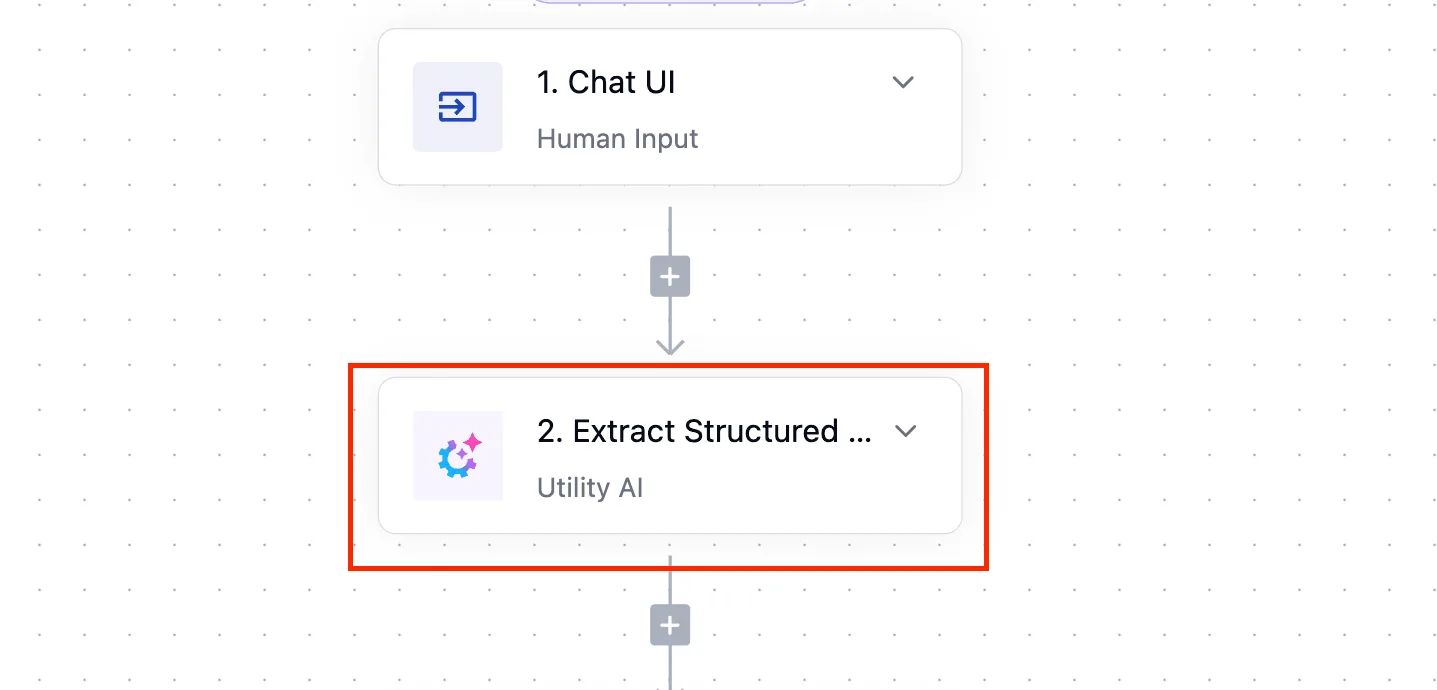
This level of visibility, combined with enterprise RBAC that governs what an agent may connect to, moves security from a policy promise to a technical constraint.
Relying on a provider’s promise not to train on your data is a policy-level defense that fails the moment an admin rotates an API key or a terms-of-service update resets default permissions.
Identify three primary LLM leakage vectors
Leakage typically enters the workflow through three specific technical bottlenecks:
- System prompts that include hard-coded credentials or internal server paths.
- Context windows populated with unscrubbed PII (Personally Identifiable Information) from customer databases.
- Log files that store the full text of AI requests and responses on unencrypted third-party servers.
The rising regulatory cost of AI data mismanagement
Technical bottlenecks in AI workflows now represent direct financial liabilities because global regulators have shifted from monitoring intent to penalizing specific data handling failures.
If a model training set ingests a customer’s private history without a scrub step, the resulting fine isn't a theoretical risk but a line item in your next audit.
Technical bottlenecks in AI workflows now represent direct financial liabilities because global regulators have shifted from monitoring intent to penalizing specific data handling failures.
EU AI Act's three-tier fine system explained
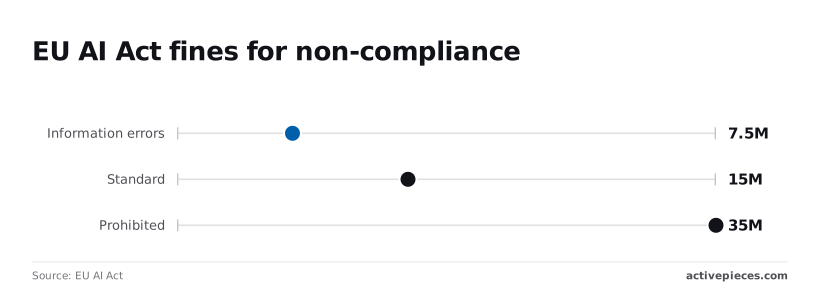
The EU AI Act enforces a three-tier fine system where the severity of the technical breach dictates the scale of the financial ruin.
- Non-compliance with prohibited AI practices carries a maximum fine of €35,000,000, meaning a single deployment of an unapproved biometric or social scoring tool can bankrupt a mid-sized firm.
- Violations of standard obligations, such as data governance or transparency requirements, reach up to €15,000,000, which forces teams to document every model input or face a penalty that exceeds most annual R&D budgets.
- Supplying incorrect or misleading information to regulators results in fines up to €7,500,000, so a support lead who misrepresents how a workflow handles PII is creating a seven-figure liability.
Even minor administrative lapses carry heavy weight.
These figures demonstrate that the cost of implementing high-latency security filters is significantly lower than the cost of a single regulatory investigation.
Why information errors trap automated workflows
Information errors occur most frequently when automated workflows lack a "truth-check" layer between the AI output and the final record.
These errors are capped at €7,500,000 under the EU AI Act, leaving organizations exposed to massive financial liability for unchecked algorithmic mistakes, which means that even compliant firms face significant balance sheet risks.
In a typical support ticket scenario, an agent might use a generative tool to summarize a case. If the tool hallucinations a data retention policy that doesn't exist, the company is legally responsible for that misinformation.
This €7.5 million ceiling means that "moving fast and breaking things" in 2026 is an unsustainable strategy for any team handling sensitive user data.
Aligning workflow security with global compliance standards
Organizations achieve global compliance in 2026 only by hardcoding technical enforcement into the workflow to prevent PII from reaching the Large Language Model. Real-time token scanning is one such method.
Relying on a "Code of Conduct" is a failed escalation. Instead, you'll need to use a gateway that rejects any prompt containing a recognized pattern like a credit card number.
This technical barrier adds approximately 200ms of latency. That delay is the only way to ensure a workflow remains within the safe harbor of regional privacy laws.
Balance speed and security mitigation strategies
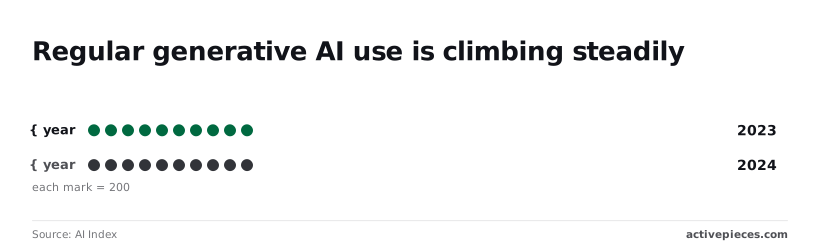
Choosing a mitigation strategy requires weighing the immediate user experience against the long-term liability of a data breach. The AI Index reports that the number of AI-related incidents rose from 33 in 2023 to 71 in 2024.
This doubling of recorded risks means that a "default" configuration isn't a defensible security posture for enterprise workflows.
The following table compares the three primary architectures by their operational impact and the level of safety they actually provide to the business.
Comparing cost and latency tradeoffs of data isolation
The data shows that as you move toward total isolation, the financial and temporal costs scale sharply. This forces teams to decide if a three-second delay is worth the guarantee that a customer's social security number never leaves the internal network.
| Strategy | Latency (ms) | Cost per 1M Tokens | Residual Risk |
|---|---|---|---|
| Zero-retention APIs | 50–150 | $10.00 | Moderate |
| Client-side Redaction | 200–500 | $12.50 | Low |
| Private VPC Deployment | 1,000+ | $45.00+ | Negligible |
This hierarchy ensures that teams reserve the most expensive resources for the most sensitive data types.
Zero-retention APIs: The baseline for low-sensitivity data
Zero-retention agreements with providers like OpenAI or Anthropic ensure that prompt data isn't used for model training. This means your proprietary code snippets won't resurface in a competitor's query.
This setup adds nearly zero latency, so developers can maintain the "instant" feel of an AI assistant without immediate data leakage.
The residual risk remains moderate because the data still traverses the public internet. This exposes the company to interception if the provider's ingestion endpoint is compromised.
Automated PII Redaction: Balancing utility with privacy
Client-side redaction tools, such as the Presidio framework developed by Microsoft, scrub Personally Identifiable Information (PII) before the request reaches the LLM. This process adds roughly 300ms to every interaction.
This is a noticeable lag that might frustrate a support agent trying to close a ticket quickly. The benefit is a significant drop in risk, as the external model never sees the "real" names or addresses.
This prevents a leak even if the AI provider suffers a major database dump.
Private LLM instances via VPC deployment costs
Deploying a dedicated model instance within a Virtual Private Cloud (VPC), such as using Amazon Bedrock, keeps all data within your existing security perimeter. The cost per million tokens can exceed $45.00, so scaling high-volume generative AI applications requires a substantial and unpredictable budget increase.
This is four times the price of a standard API call, making this unsustainable for general-purpose tasks like summarizing internal emails. We reserve this for our most sensitive legal and financial workflows.
The 1,000ms latency is an acceptable price for ensuring that regulated data never touches a third-party server.
How security inspection steps slow API response time
Securing an AI workflow requires inserting inspection steps that inevitably slow down the response time and increase the total volume of data processed. A raw API call to a Large Language Model (LLM) might return a result in seconds.
Adding a security gateway means every byte is analyzed before it leaves the network.
Reading a table only gets you so far. Build the same workflow in Activepieces and compare it yourself.
Real-time PII scanning latency for outbound data
Scanning for Personally Identifiable Information (PII) introduces a mandatory pause because the system must cross-reference every outbound string against patterns for credit card numbers or medical codes.
This delay means an employee waiting for a generated summary will experience a visible lag between their request and the first word of the output. When we use a regex-based scanner to block sensitive data, the processing time scales with the length of the prompt.

This increase in latency is the direct cost of ensuring a customer’s social security number doesn't end up in a public training set.
Because these overheads are cumulative, a workflow with multiple security checkpoints requires more compute resources than a standard, unsecured connection.
How system prompt wrapping increases token count
Adding instructions to a prompt that tell the AI how to handle sensitive data increases the total token count. When we wrap a user’s request in a "system prompt," we're paying for those extra words on every single interaction.
This metadata wrapping ensures the model stays within legal bounds, but it also consumes a portion of the model’s "context window."
This is the limited amount of information the AI can remember at one time. A more secure prompt leaves less room for the actual business data the employee needs to process.
Calculate automated compliance versus manual review
Automated enforcement at the workflow level is more cost-effective than manual auditing. It prevents data leaks before they occur rather than cleaning up after a breach.
Automated enforcement at the workflow level is more cost-effective than manual auditing.
Automated scrubbing blocks data in milliseconds, which prevents the legal department from having to file a breach notification.
Manual spot-checks require a human supervisor to read logs, meaning a leak could stay active for days before discovery. Hard-coded blocks stop the request entirely if a violation is detected, ensuring the company never pays the provider for a prompt that violates policy.
While the technical overhead increases the monthly API bill, it eliminates the unpredictable and much higher cost of a regulatory fine or a lost trade secret.
Automate PII masking with Activepieces workflow guardrails
Activepieces provides a self-hosted automation engine that intercepts data at the trigger level. This ensures that sensitive information never reaches an external LLM provider.
By placing a specialized "Privacy Integration" directly after a webhook or database trigger, the system acts as a local filter that scrubs identified patterns before the workflow continues.
This architecture changes the security model from trusting the AI vendor's privacy policy to enforcing data hygiene on your own infrastructure.
Every agent decision and the data it acted on is traced step by step in the Run Details and Debugging UI, allowing security teams to export these traces as event streams into an existing SIEM.
This ensures that an agent's tool calls are reviewed with the same rigor as deterministic workflow steps. Organizations like MoneyGram and FundingSocieties run Activepieces to maintain this level of granular oversight across their automated environments.
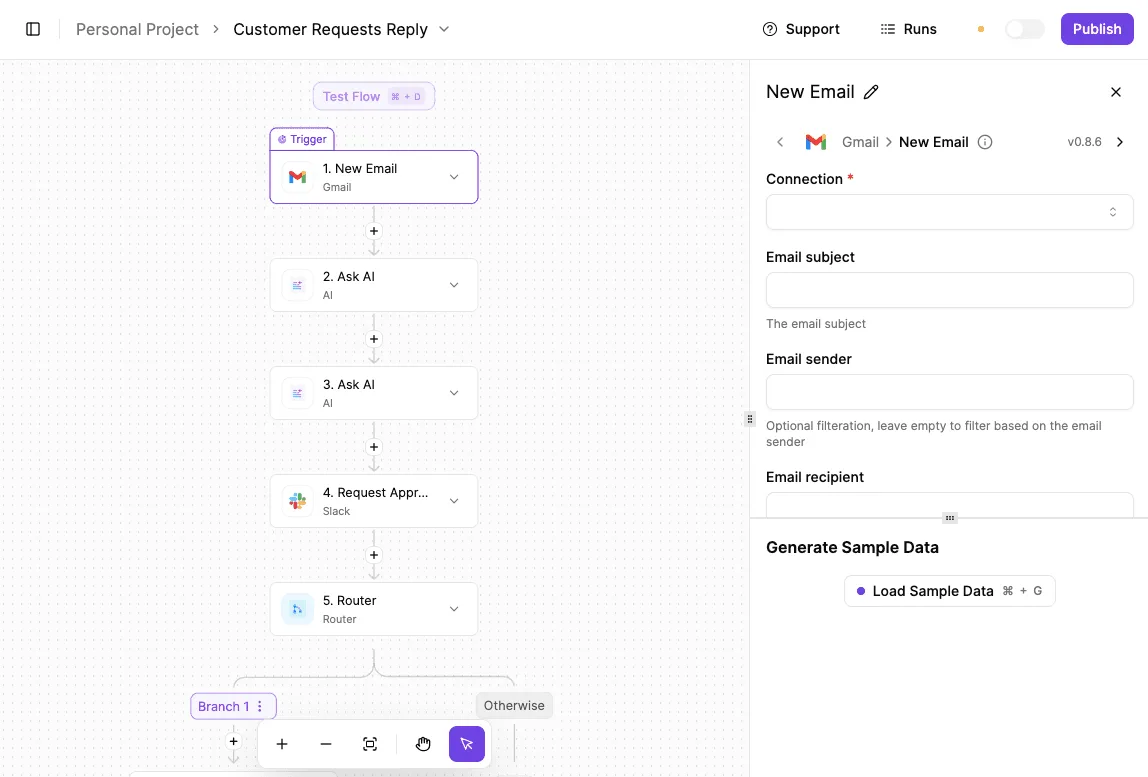
Configuring the redaction integration for global data sanitization
The Redaction Integration is a mandatory checkpoint that identifies and replaces sensitive strings like email addresses or credit card numbers with generic placeholders.
Because this happens within your local Activepieces instance, the raw, unmasked data stays behind your firewall while the LLM receives only the context it needs to function.
To standardize this across an organization, teams should follow a specific sequence to ensure no data bypasses the filter.
- Map data inputs from the trigger to identify which fields contain user-generated content.
- Configure environment variables for API keys to prevent hardcoding credentials in the workflow canvas.
- Insert PII masking integration as the immediate second step to sanitize data before any logic occurs.
- Enable zero-retention headers on the subsequent HTTP request to signal the AI provider not to store the prompt.
- Verify audit log encryption to ensure that even the masked logs are unreadable to unauthorized internal staff.
This sequence establishes a verifiable "clean room" for every execution. A developer can't accidentally leak a customer's phone number by forgetting a manual check.
Managing API keys and secrets in isolated environments
A secure automation platform manages credentials through a centralized secret store rather than allowing users to paste keys directly into individual workflow steps.
This separation means that if a specific workflow is compromised or exported, the underlying API keys for services like OpenAI or Anthropic remain hidden from the workflow builder.
By using environment-level variables, an administrator can rotate a key in one place and instantly update every active workflow.
This reduces the window of vulnerability if a key is suspected of being leaked.
Building 'human-in-the-loop' approvals for sensitive data outputs
The Approval Integration allows a workflow to pause and wait for a manual review before sending a generated response back to a customer or a public channel.
This step is the final defense against "hallucinations" or accidental disclosures where the AI might have included sensitive internal logic in its output.
When a human must click "Approve" in a centralized security dashboard, the responsibility for the data shifts from the automated system to a verified employee.
This provides a definitive audit trail for high-stakes communications.
The Monday morning audit for AI workflow security
Verifying the integrity of an automated audit trail requires a systematic review of every touchpoint where corporate data leaves your controlled environment. If a security lead ignores these checks, they risk a silent breach where proprietary logic becomes part of a provider’s public training set.
Map data flows to LLM providers
Visibility into the path from a database to an external model prevents "shadow AI" from leaking customer records through unmonitored browser extensions or unauthorized plugins. You'll need to document the specific route data takes through the following components:
- The internal database or document store acting as the source of truth.
- The middleware or integration platform that formats the raw data into a prompt.
- The specific API endpoint of the LLM provider receiving the payload.
- The logging server where the final interaction is archived for compliance.
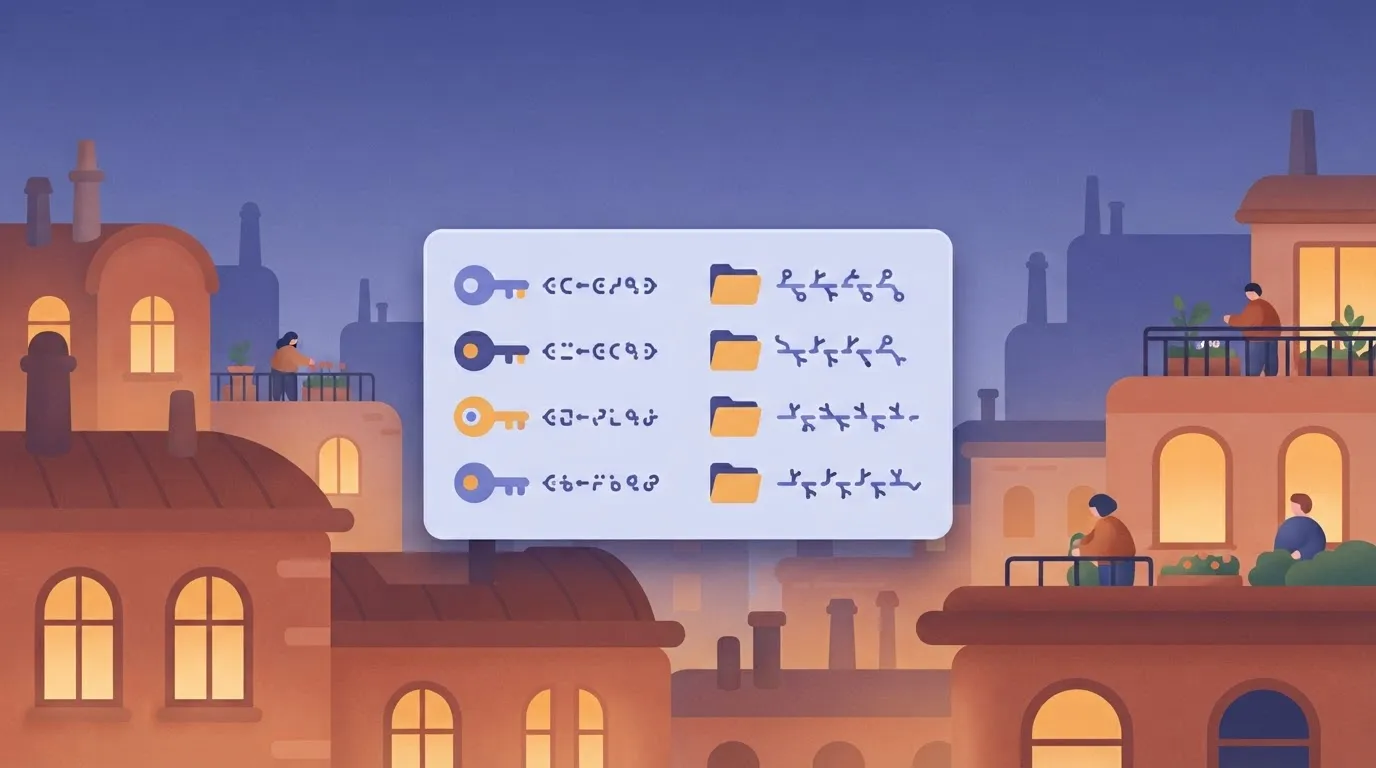
Rotating exposed API keys and updating retention policies
Regularly cycling credentials and auditing data storage settings ensures that a single compromised developer environment doesn't grant a bad actor indefinite access to your model usage. This routine prevents the accumulation of "ghost data" that persists on third-party servers long after a project is closed.
To ensure your stack remains compliant, use the Monday Morning AI Audit Checklist. Review API logs for plaintext PII. Verify Zero-Data Retention (ZDR) status for all providers. Rotate leaked keys. Check for unmanaged personal accounts.
This checklist is the baseline for operational security, moving the team from reactive patching to proactive hygiene. Once the infrastructure is secured, the focus must shift to the content of the prompts themselves.
Applying least privilege principles to prompt design
Limiting the scope of information included in a prompt reduces the "blast radius" if a prompt injection attack occurs or if a provider suffers a data spill.
Just as a new hire isn't given root access to the server, an LLM shouldn't receive an entire client file when it only needs to summarize the last three emails.
This standard dictates that every prompt must be stripped of identifying metadata and restricted to the narrowest possible context required to complete the task.
Frequently asked questions about AI data leakage prevention
Does using a VPN protect my data from LLM training?
A Virtual Private Network (VPN) secures the tunnel between your hardware and the server, but it has no impact on how a model provider uses the data once it arrives.
If a developer pastes proprietary code into a web-based chat interface, the VPN ensures no one intercepts that code mid-transit. The provider still ingests the text into their training set unless a specific "no-train" API tier is active.
Relying on a VPN for AI privacy is like using a locked armored truck to deliver a secret to a megaphone operator; the transport is safe, but the destination is inherently public.
What is the difference between data masking and data encryption in AI?
Data masking replaces sensitive identifiers with functional proxies so the LLM can process the logic of a prompt without seeing the actual values. Encryption renders the data unreadable to both the model and the human until a key is applied.
Masking allows a support bot to understand that "Customer A" is upset without knowing their legal name, which preserves the utility of the AI.
Encryption protects data at rest in a database, but because an LLM can't "reason" over ciphertext, the data must be decrypted before the model can generate a response, creating a window of exposure.
How do SOC2 and ISO 27001 apply to AI workflow automation?
These certifications prove a vendor has documented security controls, but they don't guarantee that the AI’s specific output is safe or accurate. A SOC2 Type II report confirms that a workflow tool handles your data according to stated policies.
This means you can trust their server logs but not necessarily their prompt-injection defenses.
These frameworks act as a baseline for organizational trust, yet they lack specific controls for "model collapse" or "training data extraction," requiring teams to layer their own technical enforcement on top of the vendor's certificate.
Can RAG systems leak data across different user permission levels?
Retrieval-Augmented Generation (RAG) systems will leak data if the vector database doesn't mirror the original source's access control lists.
If a junior analyst queries a system that has indexed the entire corporate drive, the LLM may summarize a "restricted" payroll document because the retrieval step ignored the file’s original permissions. To prevent this, the system must perform a two-step check.
It must identify the user's specific credentials within the identity provider. Then, it must filter the vector search results to only include chunks the user is explicitly authorized to view before the data ever reaches the prompt window.
Related reading
Still comparing
The fastest way to settle it is to build something.
Open source under MIT, so you can self-host the same thing later.
Start free Talk to sales